At Darlington Therapy, lasting change begins in spaces where you feel safe enough to be fully yourself, supported through compassion, curiosity, and without judgement, fostering growth that can naturally unfold.\
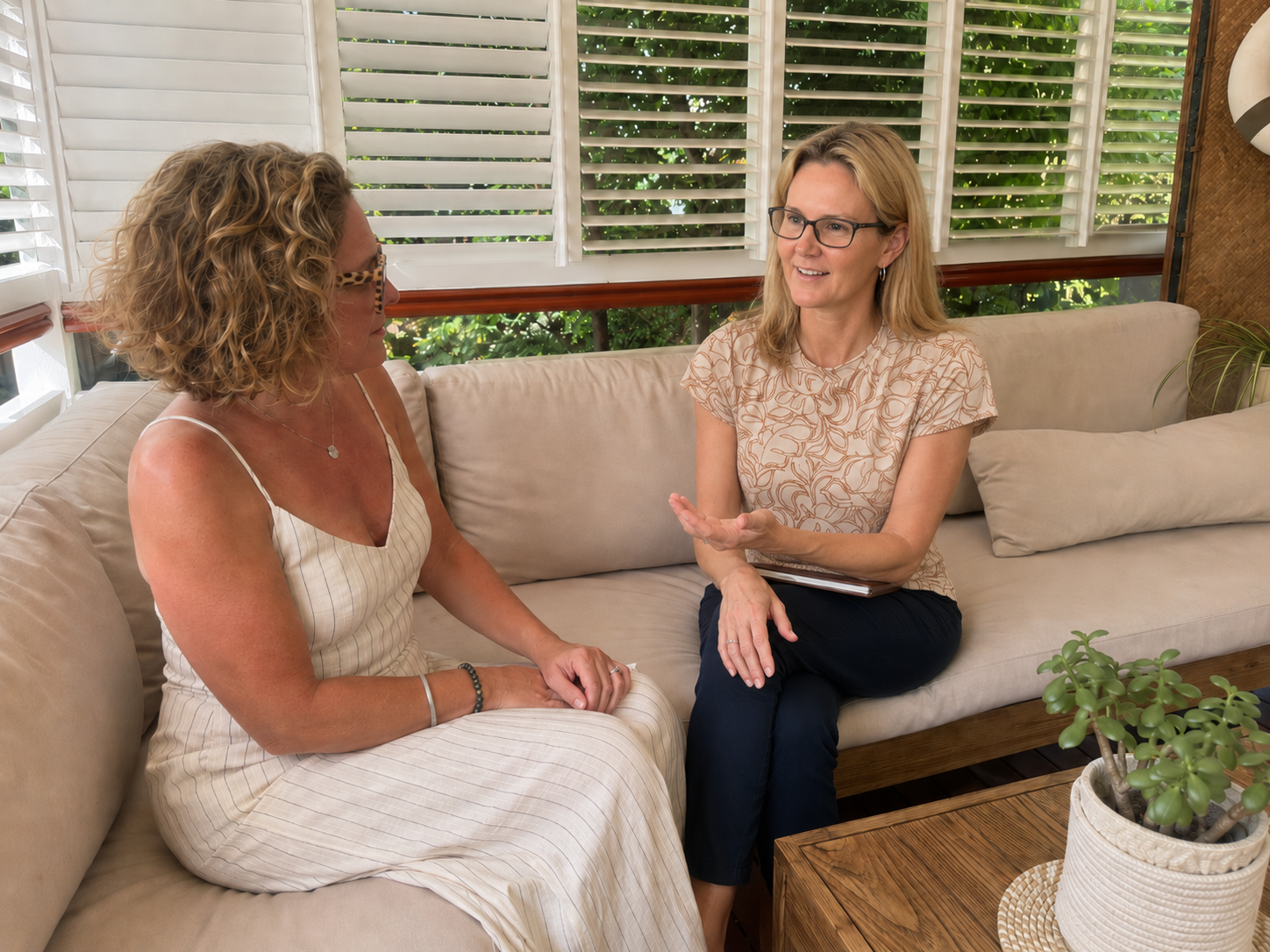
Darlington Therapy offers both individual psychotherapy and couples counselling (upon request), blending talk therapies including Acceptance and Commitment Therapy, Cognitive Behavioural Therapy, Dialectical Behaviour Therapy and somatic awareness, with the option of creative options like art and sand tray therapy, so we can find what works best for you.
Whether you’re grieving, feeling burnt out, overwhelmed, stuck, or simply in need of space to be heard without judgement, you are welcome here. This is a place for all parts of you, at your pace, in your way.


Book Now
Secure your appointment to initiate a comprehensive wellness pathway.
If you have any questions, please email Trina at trina@darlingtontherapy.com or trina@darlingtontherapy.com.au


I created Darlington Therapy as a space where people can come exactly as they are, without pressure, without judgement, and without needing to have the “right” words.
My approach is grounded in person-centred compassion, curiosity, and respect for your individual experience. I have received formal training in Schema Therapy, Acceptance and Commitment Therapy (ACT), Motivational Interviewing (MI), Interpersonal Neurobiology (IPNB), and Solution Focused Therapy (SFBT). I draw from a blend of these as well as Cognitive Behaviour Therapy (CBT), Dialectical Behaviour Therapy (DBT), somatic (body-based) awareness, and, where helpful, creative approaches like art therapy. This allows us to work flexibly, not just with what you can explain, but also with what might feel harder to put into words.
I have a particular interest in supporting people experiencing burnout, grief, overwhelm, life transitions, and the quiet accumulation of stress that can build over time. My work is shaped by real-life experience, including grief and loss, navigating burnout, parenting and family, and moving through the changing landscape of midlife and perimenopause. These experiences deepen my understanding of how complex, layered, and non-linear life can be.
I am an animal lover who is most happy in outdoor spaces, where I find time to unfold through running, cycling and being in nature.
What matters most to me is creating a space where you feel safe enough to explore at your own pace. Therapy with me isn’t about ‘fixing,’ it’s about helping you understand yourself more fully, reconnecting with what matters, and finding ways forward that feel sustainable and true to you.
You don’t need to be in crisis to come to therapy. You might be feeling stuck, disconnected, exhausted, or simply aware that something needs attention. Wherever you’re starting from, you’re welcome here.
Commitment to Care
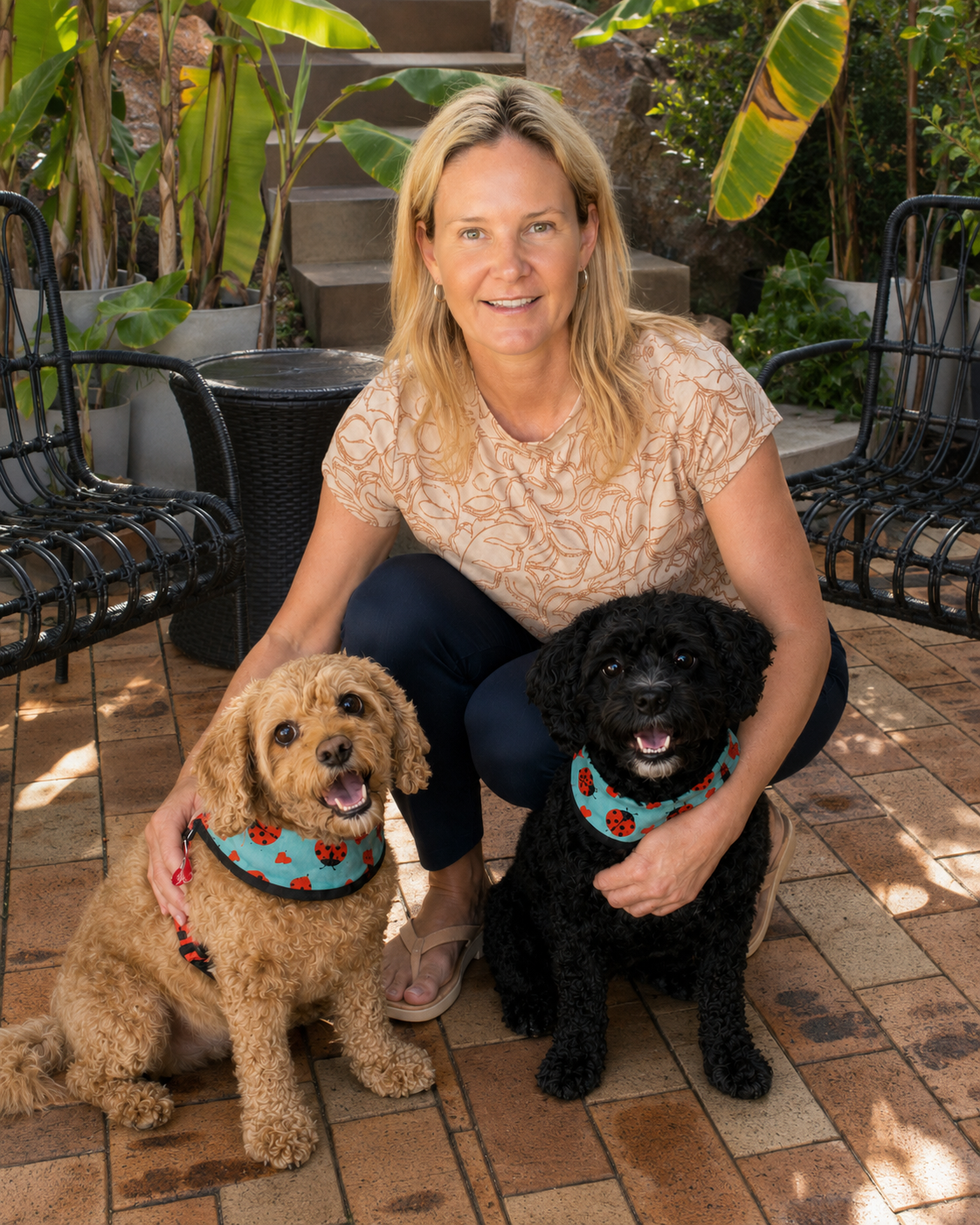
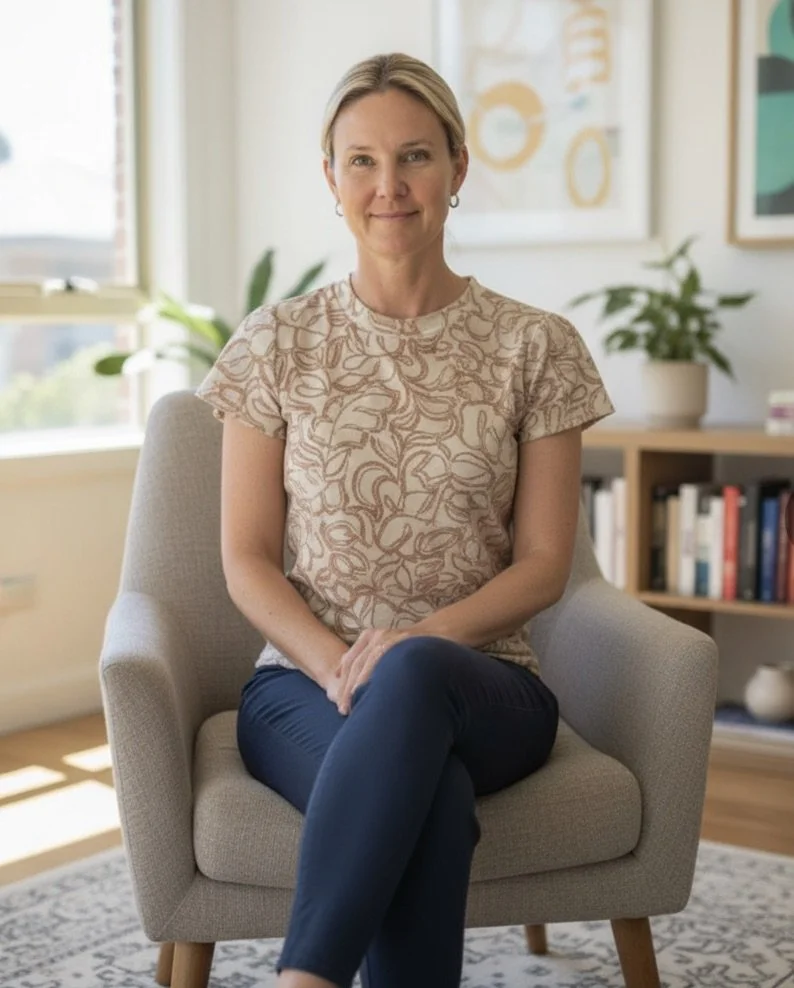
MCounsPsychTh, BEd(P-10), MACA, PACFA, JP (Qual)

Integrated Therapy for Complex and Individual Needs
Frequently Asked Questions
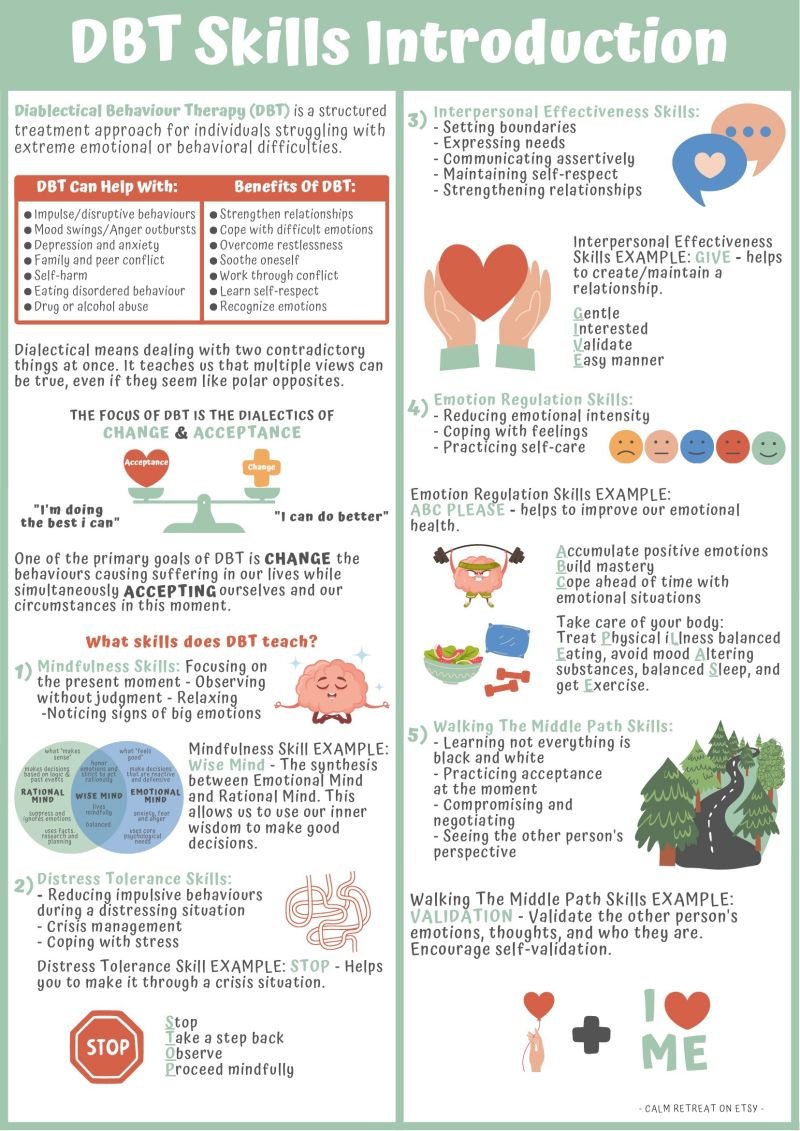
What is Dialectical Behaviour Therapy ?
DBT, or Dialectical Behaviour Therapy is a type of talk therapy that helps people manage intense emotions, cope with stress, and improve their relationships. It was originally developed for people who experience very strong emotions and struggle with self-harm, but it's now used for lots of things, including anxiety, depression, eating disorders, and substance use. The word "dialectical" simply means holding two things that seem opposite at the same time, like accepting yourself exactly as you are while also working to change. That balance is the heart of DBT… you're not being told something is wrong with you, but you're also being given real tools to build a life that feels better. Most DBT programs teach four core skill sets. These include Mindfulness to help you stay present instead of getting swept up in worries or regrets, Distress tolerance to give you ways to get through a crisis without making things worse Emotion regulation for helping to understand your feelings and ease their intensity, and Interpersonal effectiveness for understanding you how to ask for what you need, set boundaries, and keep relationships healthy.
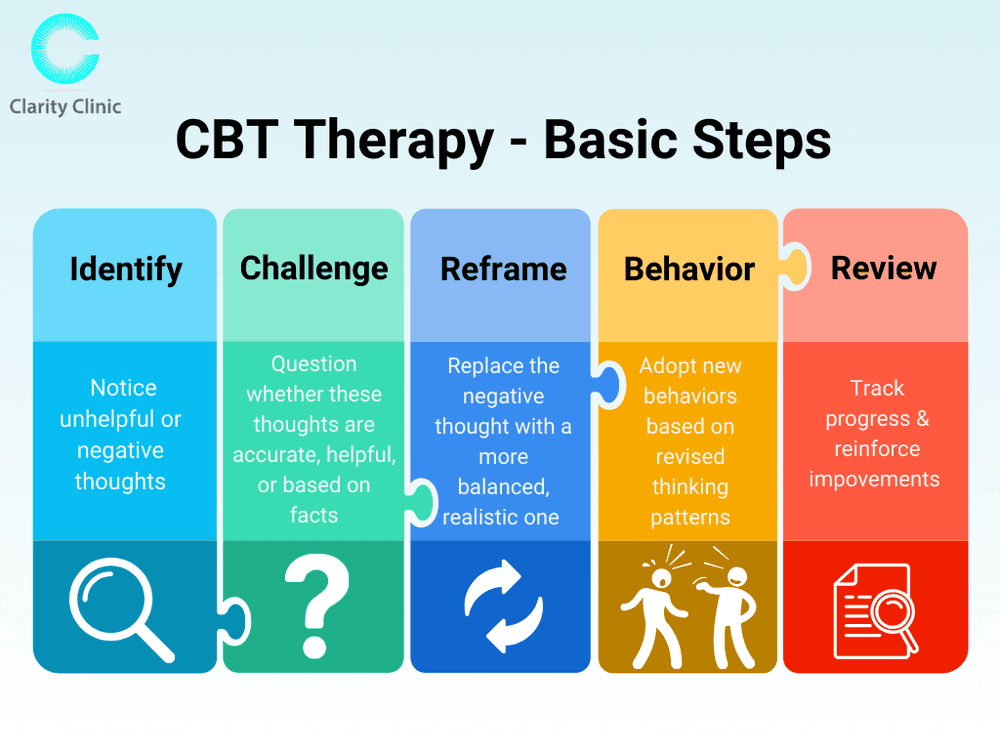
What is Cognitive Behaviour Therapy?
Cognitive Behavioural Therapy, commonly referred to as CBT, is a practical talk therapy based on the idea that our thoughts, feelings, and actions are connected. If you think "I'll fail," you feel anxious and avoid the task, which strengthens the thought. CBT helps you catch unhelpful thinking, challenge it, and replace it with more balanced thoughts, while gradually changing behaviours like avoidance. It's structured, short-term, and can include practice between sessions.
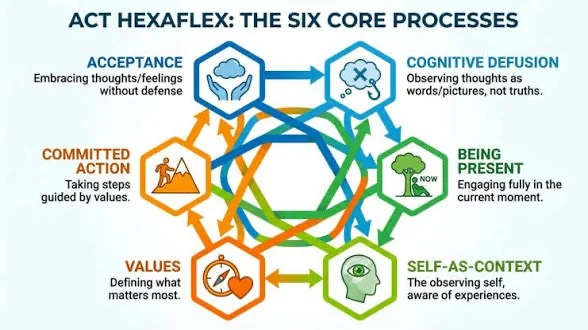
What is Acceptance and Commitment Therapy?
ACT, or Acceptance and Commitment Therapy is a talk therapy based on the idea that fighting difficult thoughts and feelings often makes them stronger. Instead of trying to get rid of anxiety or self-doubt, you learn to notice them, make room for them, and stop letting them steer your choices, creating psychological flexibility. You also get clear on your values, meaning what matters most to you, like family, health, or creativity, and take small, steady steps toward them, even when discomfort comes along. The goal isn't to feel perfect, but to live a fuller, more meaningful life.
What is Interpersonal Neurobiology?
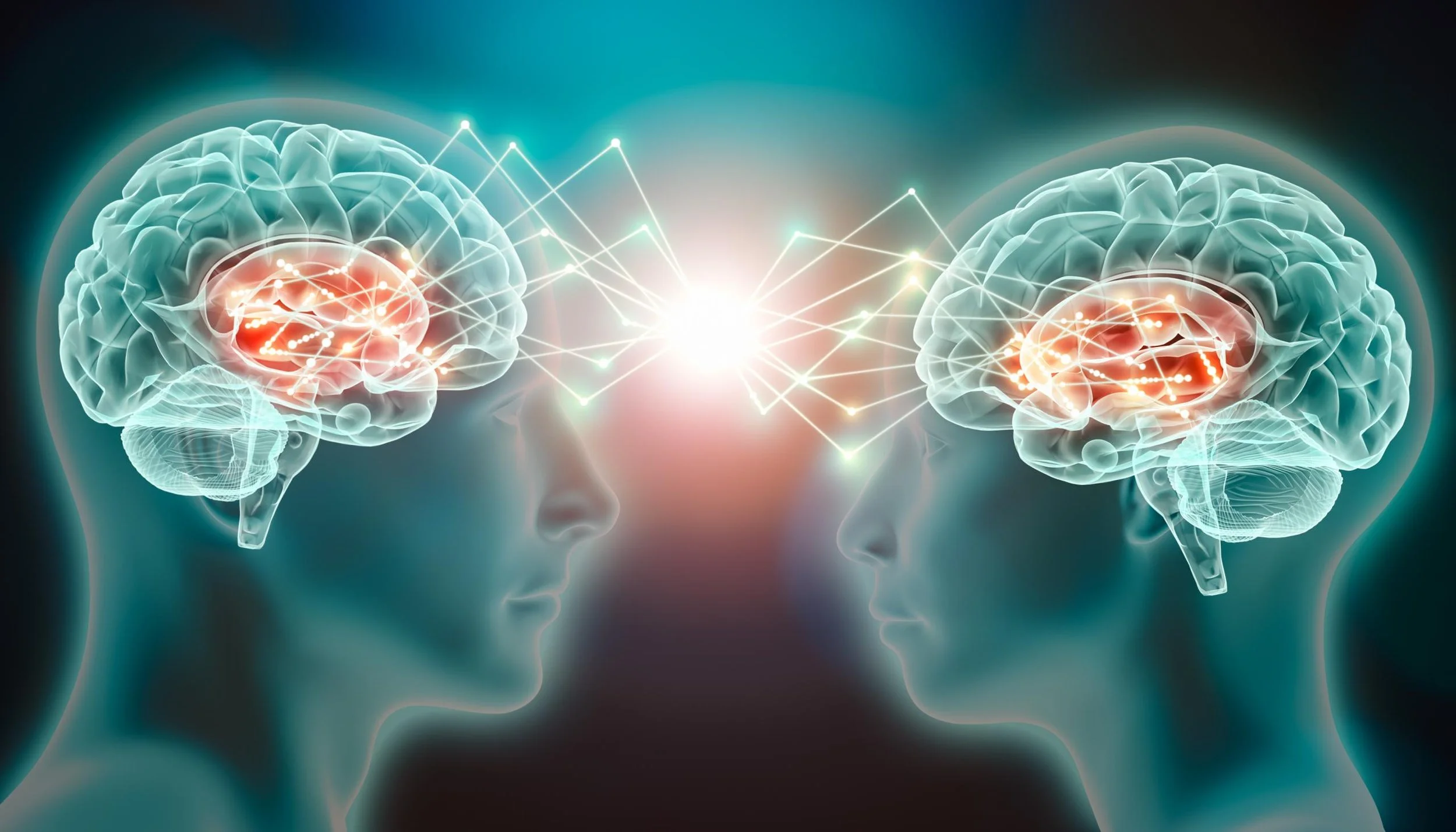
Darlington Therapy is grounded in evidence-based practices including Interpersonal neurobiology (IPNB). IPNB isn't a specific therapy but a way of understanding how the brain, body, and relationships shape each other. Developed by psychiatrist Dan Siegel, it's based on the idea that our brains are wired through connection, so safe, supportive relationships help us feel calm and resilient, while painful ones can leave lasting stress.
In therapy, this means the relationship with your therapist is part of the healing. The goal is "integration," helping different parts of your brain, body, and experiences work together smoothly, so you can feel more balanced, flexible, and connected.
What is Schema Therapy?
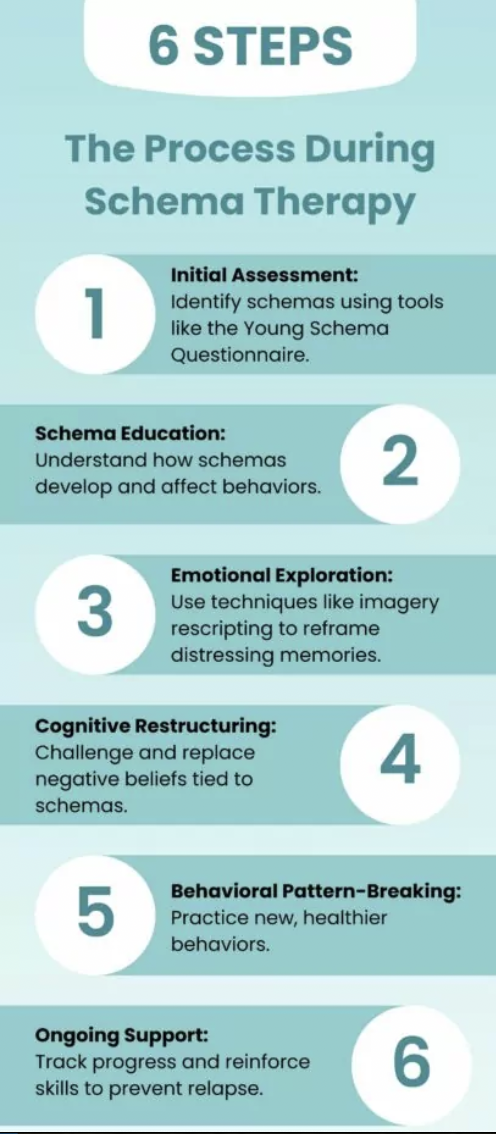
Schema therapy is a form of psychotherapy that helps you understand and change long-standing patterns of thinking, feeling, and behaving that often began in childhood, especially when important emotional needs weren't fully met. Together, we identify these deeply rooted patterns (called "schemas") and the ways they show up in your current relationships and daily life. Through a combination of insight, emotional work, and practical skills, we work to heal those old wounds and build healthier, more flexible ways of relating to yourself and others.
What is a Person Centred Approach?
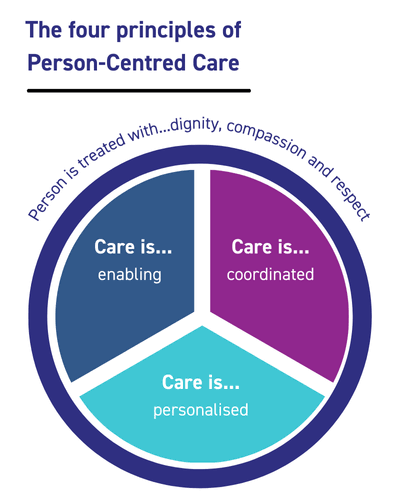
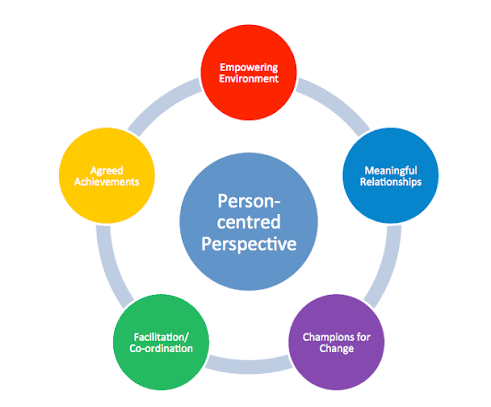
Darlington Thereapy is based around a person-centred approach. Developed by Carl Rogers, this approach is a talk therapy based on the belief that you are the expert on your own life and already have the capacity to grow and heal. The therapist doesn't diagnose, drawing from the premise that you are not an object needing to be “fixed” and providing you with the autonomy to choose what feels right for. you. Instead, therapy offers a supportive space where you can explore your thoughts and feelings at your own pace. The healing comes from the relationship itself, built on three qualities of empathy (truly understanding you), unconditional positive regard (accepting you without judgment), and genuineness (being real, not hiding behind a professional role). Feeling heard and accepted this way helps you trust yourself and find your own answers.
Psychotherapy is a structured, collaborative process in which you meet regularly (usually weekly) with a trained mental health professional in a private, confidential setting. It is based on the idea that our thoughts, emotions, behaviors, and relationships are all connected, and that by examining them closely, we can understand why we feel and act the way we do. We will explore your current concerns, your history, and the patterns that keep showing up in your life, identify unhelpful thought patterns, emotional triggers, or behaviours that may be keeping you stuck, build skills such as managing difficult emotions, communicating more effectively, and coping with stress, process painful experiences in a supported way so they have less power over your present life.
How it works: There are many different approaches, such as CBT, psychodynamic therapy (exploring deeper emotional roots), and schema therapy (healing long-standing patterns). I may draw from one or several of these depending on your needs and goals.
What to expect: Change usually happens gradually. Some sessions may feel relieving, while others may bring up uncomfortable emotions. That is a normal part of the process. The relationship between us is also an important part of the work, so it's important that you feel safe, heard, and respected. You are always an active participant, and we will regularly check in on your goals and progress. The aim isn't to "fix" you, but to help you gain insight, relief from distress, and the tools to live in a way that feels more authentic and fulfilling.
What is Psychotherapy?
Contact Us